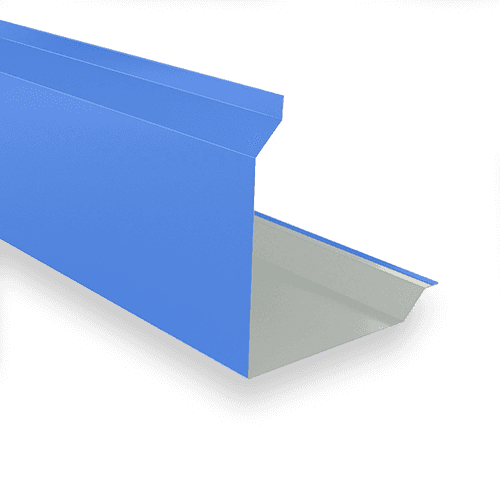

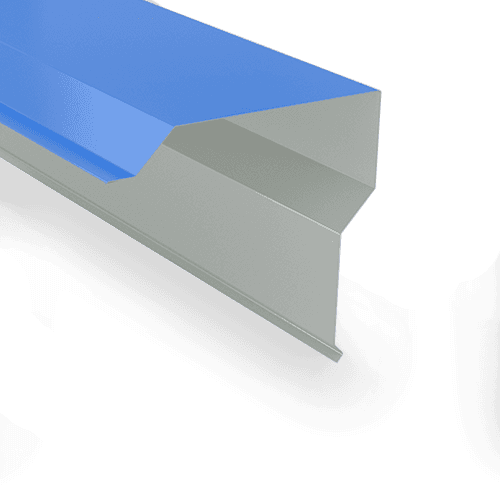
Flashing selection is not only about covering an edge; the shape and location of each flashing determine how well the roof or wall system handles water, joints and exposed edges. Corner trims, drip trims and gable trims are selected according to the connection detail and the direction of water flow. Material, thickness, coating and colour should also be coordinated with the sandwich panel or roofing sheet to achieve a clean finish and long-term weather protection.
Flashing Type:
Main Point to Consider:
Corner Trim
Used where two panel surfaces meet and a clean, protected corner is required
Drip Trim
Helps direct water away from the panel edge and reduces water running back onto the wall
Gable Trim
Used around roof gable edges to close and protect the exposed roof edge
Material
Select according to corrosion exposure, strength and project budget
Coating
Important for outdoor durability and colour matching
Thickness
Should be selected according to the size, shape and expected exposure of the flashing
The flashing should be designed around the panel profile, not selected as a generic piece of sheet metal. The correct width, angle and return dimensions help the flashing sit properly against the panel and reduce gaps at joints.
Which Flashing Type Do You Need?
Flashing Type:
Best Used For:
Main Advantage:
What Should Be Checked?
Corner Trim
External wall or roof corners
Covers and protects corner joints
Panel thickness and corner dimensions
Drip Trim
Roof and wall edges where water needs to exit
Directs water away from the building
Water flow direction and edge detail
Gable Trim
Exposed sloping roof edges
Closes and protects the roof edge
Roof pitch and panel profile
What is the difference between Corner Trim, Drip Trim and Gable Trim?
Corner Trim is used at corners, Drip Trim is used to control water at exposed edges, and Gable Trim is used around the gable edge of a roof. Each profile solves a different connection detail.
