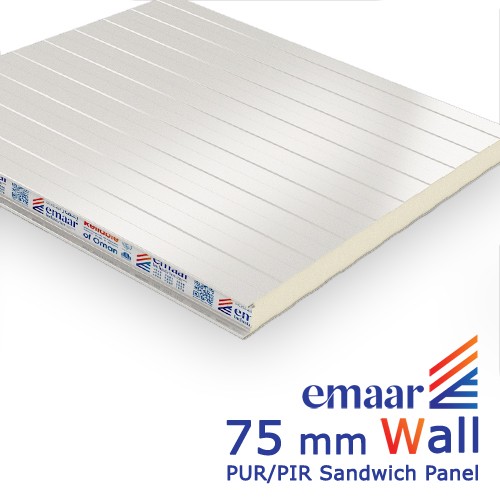
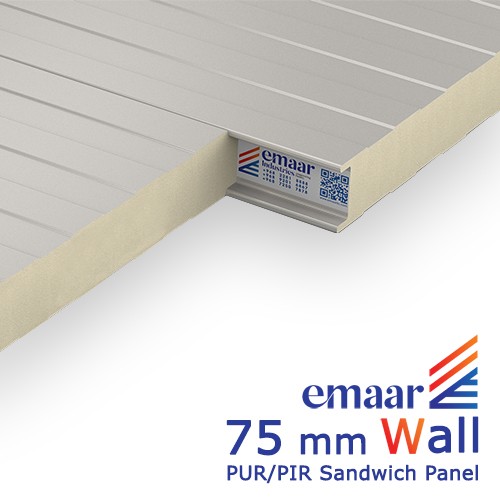
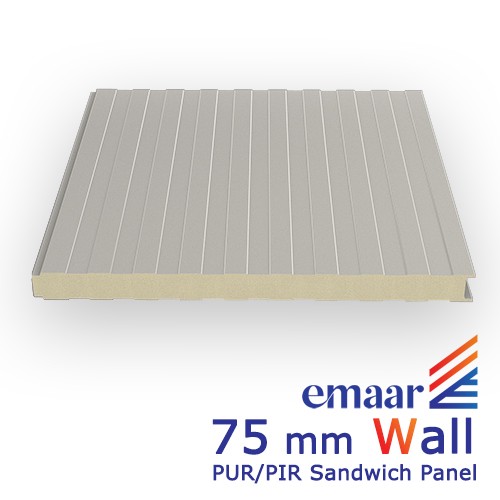
75 mm PUR/PIR Wall Sandwich Panel

75 mm PUR/PIR Wall Sandwich Panel

75 mm PUR/PIR Wall Sandwich Panel

Panel Profile:

• Surface Type:

• Joint Type:

• Effective Coverage Width:

Core Details:

• Material:

• Thickness:

• Density:

Top & Bottom Skin Details:

• Material Options:

• Thickness Ranges:

• Coating Options:

• Colours: RAL

Need Quotation with these Collecting?

75mm PUR/PIR Wall Sandwich Panel

Panel Profile:

• Surface Type:

• Joint Type:

• Effective Coverage Width:

Core Details:

• Material:

• Thickness:

• Density:

Top & Bottom Skin Details:

• Material Options:

• Thickness Ranges:

• Coating Options:

• Colours: RAL

Need Quotation with these Collecting?

75mm PUR/PIR Wall Sandwich Panel

Panel Profile:

• Surface Type:

• Joint Type:

• Effective Coverage Width:

Core Details:

• Material:

• Thickness:

• Density:

Top & Bottom Skin Details:

• Material Options:

• Thickness Ranges:

• Coating Options:

• Colours:

RAL

Need Quotation with these Collecting?

75mm PUR/PIR Wall Sandwich Panel

75 mm PUR/PIR Wall Sandwich Panel is a popular choice for industrial buildings where wall insulation becomes more important without moving to heavy wall systems. It is suitable for warehouses, factories, logistics facilities and commercial buildings that need improved thermal performance compared with standard 50 mm walls.

75 mm PUR/PIR Wall Sandwich Panel is a popular choice for industrial buildings where wall insulation becomes more important without moving to heavy wall systems. It is suitable for warehouses, factories, logistics facilities and commercial buildings that need improved thermal performance compared with standard 50 mm walls.

Why many warehouses move to 75 mm?

As buildings become larger and more dependent on air conditioning, the walls begin to play a bigger role in controlling indoor temperature. 75 mm is often selected when 50 mm insulation is no longer enough but the project does not require thicker wall systems.

As buildings become larger and more dependent on air conditioning, the walls begin to play a bigger role in controlling indoor temperature. 75 mm is often selected when 50 mm insulation is no longer enough but the project does not require thicker wall systems.

Which projects fit 75 mm?

Project:

75 mm

Air-conditioned warehouse

★★★★★

Factory

★★★★★

Logistics building

★★★★☆

Commercial building

★★★★☆

Food processing

★★★★☆

Temperature-controlled areas

Compare with higher thicknesses

Is 75 mm suitable for hot GCC climates?

Should I choose 50 mm or 75 mm for a warehouse wall?

Can Emaar Industries provide technical documents for project approval?