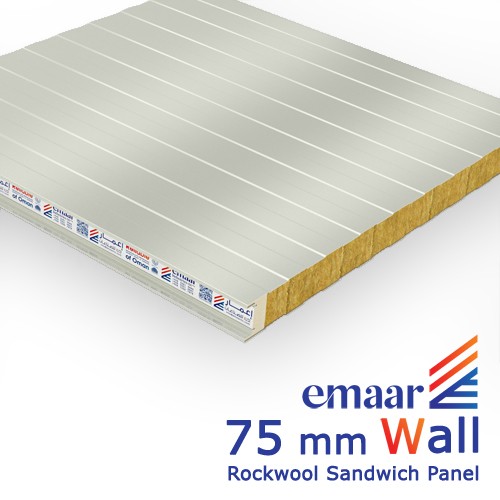
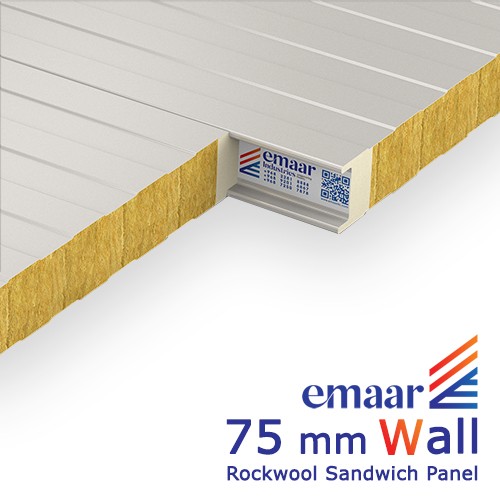
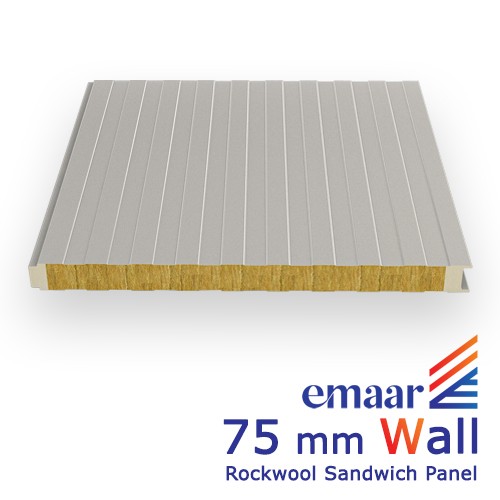
75 mm Rockwool Wall Sandwich Panel

75 mm Rockwool Wall Sandwich Panel

75 mm Rockwool Wall Sandwich Panel

Panel Profile:

• Surface Type:

• Joint Type:

• Effective Coverage Width:

Core Details:

• Thickness:

• Density:

Top & Bottom Skin Details:

• Material Options:

• Thickness Ranges:

• Coating Options:

• Colours: RAL

Need Quotation with these Collecting?

75mm Rockwool Wall Sandwich Panel

Panel Profile:

• Surface Type:

• Joint Type:

• Effective Coverage Width:

Core Details:

• Thickness:

• Density:

Top & Bottom Skin Details:

• Material Options:

• Thickness Ranges:

• Coating Options:

• Colours: RAL

Need Quotation with these Collecting?

75mm Rockwool Wall Sandwich Panel

Panel Profile:

• Surface Type:

• Joint Type:

• Effective Coverage Width:

Core Details:

• Thickness:

• Density:

Top & Bottom Skin Details:

• Material Options:

• Thickness Ranges:

• Coating Options:

• Colours:

RAL

Need Quotation with these Collecting?

75mm Rockwool Wall Sandwich Panel

75 mm Rockwool Wall Sandwich Panel is a strong option when a building needs more wall insulation while keeping the main advantage of Rockwool: high fire performance. It is suitable for factories, warehouses, logistics buildings and other industrial facilities where fire safety and thermal performance need to work together.

75 mm Rockwool Wall Sandwich Panel is a strong option when a building needs more wall insulation while keeping the main advantage of Rockwool: high fire performance. It is suitable for factories, warehouses, logistics buildings and other industrial facilities where fire safety and thermal performance need to work together.

Why choose 75 mm?

Moving from 50 mm to 75 mm adds more insulation to the wall without moving to the thicker wall systems. This makes 75 mm useful for buildings where the wall is exposed to strong outdoor heat or where the interior is air-conditioned.

Moving from 50 mm to 75 mm adds more insulation to the wall without moving to the thicker wall systems. This makes 75 mm useful for buildings where the wall is exposed to strong outdoor heat or where the interior is air-conditioned.

Requirement:

50 mm

75 mm

Fire protection

Basic insulation

Higher wall insulation

Air-conditioned factory

Depends

Warehouse

Acoustic insulation

What is the difference between PPGI and PPAZ skins?

PPGI is galvanized steel with a protective coating, while PPAZ is Aluzinc-coated steel. Both provide good durability, with the final choice depending on the project's environment and performance requirements.

Are light colors better for buildings in Oman and Saudi Arabia?

Does 75 mm Rockwool help with factory noise?

Can 75 mm Rockwool wall panels achieve high fire resistance?